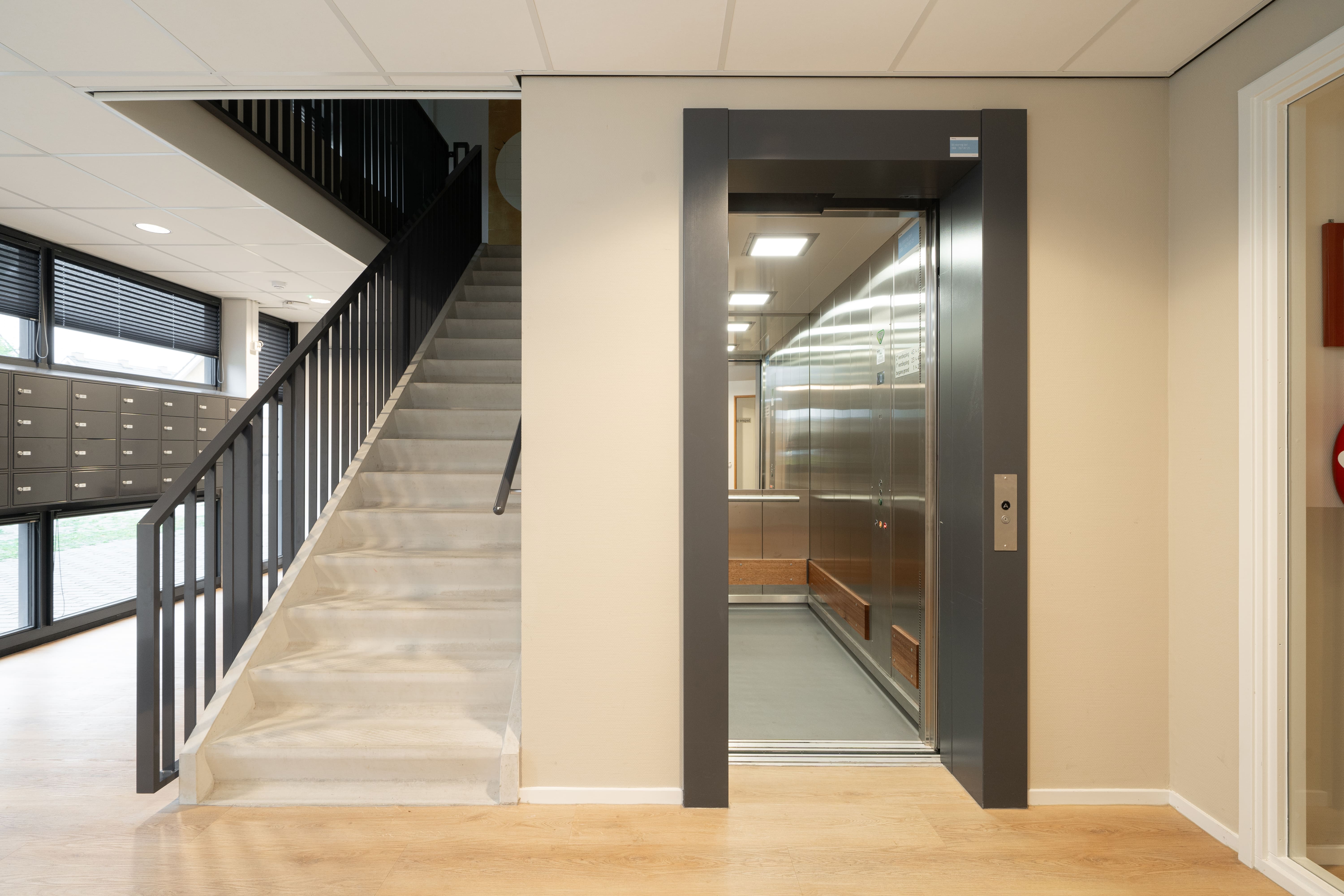
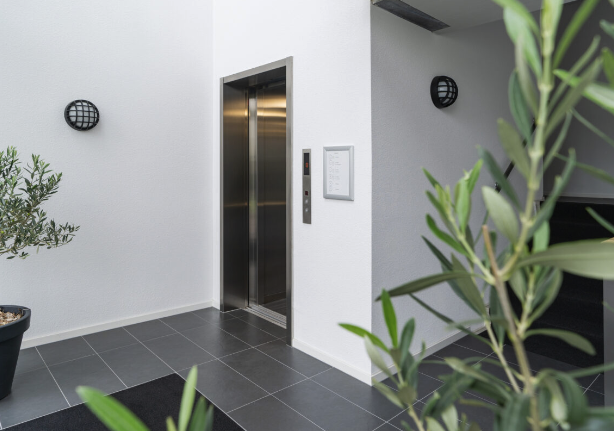
Mitsubishi Elevator Europe elevator next to a staircase in an office building
 
 
Customercase

Mitsubishi Elevator Europe: Parametric Configuration,
Built and Owned In-House

How an elevator manufacturer took full ownership of its parametric configuration logic, freeing sales to quote in real time and engineering to focus on engineering.

180

Employees

Manufacturing, installing and servicing elevators from Veenendaal

3 weeks to 5 min

Model fixes

What used to take weeks to adjust now takes minutes

50%

Faster quoting

Standard configurations now take half the time they used to

Customer case

Manufacturing, Installing, and Servicing, All In-House

Mitsubishi Elevator Europe, part of Mitsubishi Electric, manufactures, installs, and services elevators from its own factory in Veenendaal, the Netherlands, with around 180 employees. Alongside the high-end Japanese elevator line, sold for landmark and high-rise buildings, the company produces its own in-house CTO elevator line, designed to be configured without needing an engineer to validate. Since going live with Elfsquad, model changes that once could take weeks now take about five minutes, and the sales team can walk a customer through a price change in real time instead of putting them on hold.

"All our options are already worked out in our engineering model, so a complete CTO configuration doesn't need an engineer."

Daan Wouters, Product Owner and Process Developer, Mitsubishi Elevator Europe

The CTO line was built around parametric logic from the start: a defined set of parameters, such as lift height, automatically determines which components, motors, and options are valid, and which aren't. That structure is what makes it possible to sell a technically correct elevator without an engineer ever touching the order. Drawings and bills of materials are generated from that same logic, through the integration with their ERP system. This logic also covers practical requirements automatically: a stretcher lift needs enough width to actually fit a stretcher, a wheelchair lift requires a mirror on the back wall, and a firefighting lift needs water-resistant components so a single extinguishing effort doesn't take out the whole system.

The Japanese high-end range sits outside this system entirely, those projects are highly specific, often one-of-a-kind buildings, and stay classified as engineer-to-order work. 

Mitsubishi Elevator
"You could tell you were being taken seriously, and that they genuinely wanted to help us build something good. That really stood out compared to the other parties."

Daan Wouters

Daan Wouters

Product Owner and Process Developer, Mitsubishi Elevator Europe

Before Elfsquad
3 weeks per model fix

Every change went through an external consultant, translated through several people before testing even showed if it matched what was needed.

After Elfsquad
5 min per model fix

Daan adjusts the model himself, tests it, and ships the fix without waiting on anyone outside the company.

Looking for Independence from Consultants 

Mitsubishi Elevator Europe went into their search for a new CPQ platform with a clear priority: a system their own team could manage directly, without depending on external consultants for every change. That priority came from experience: relying on one outside specialist for every configuration change had made the business slower and more vulnerable than Daan Wouters, product owner and process developer, was comfortable with. What they wanted instead was speed, internal control, and a platform flexible enough to connect to the systems already in place. 

During the selection process, alongside two other vendors, Elfsquad came to the table with a concrete plan built around their own requirements, rather than a generic product pitch. "You could tell you were being taken seriously, and that they genuinely wanted to help us build something good," Daan recalls. "That really stood out compared to the other parties." Internal manageability and system speed were essential requirements, and so was the ability to connect Elfsquad to their own maintenance platform, alongside their existing ERP integration with Isah. 

"I can sometimes solve something in five minutes now, that normally used to take three weeks to adjust."

Daan Wouters

Daan Wouters

Product Owner and Process Developer, Mitsubishi Elevator Europe
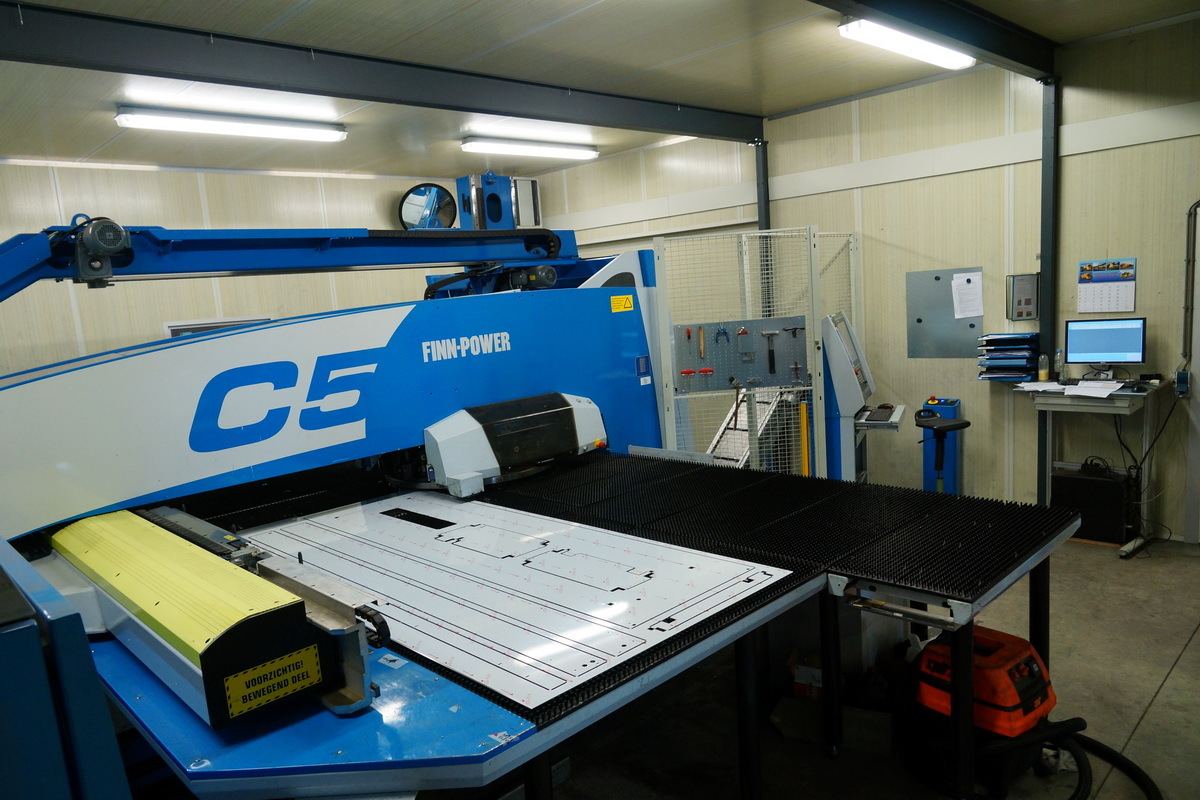
Sheet metal machine in the Mitsubishi Elevator Europe factory

3

vendors compared

Elfsquad stood out with a concrete plan from day one

Minutes

to answer a customer's price question

Open a configuration, adjust an option and see the price impact on the spot

Hundreds

of combinations

Within a single CTO product line, from finishes to special-purpose presets

Building the Model In-House

Taking back control meant one thing above all: someone at Mitsubishi Elevator Europe had to rebuild logic that had never been fully accessible internally. That job fell largely to Daan, who rebuilt most of the model himself, drawing on years of experience with the previous system rather than a straightforward migration. It's a level of ownership that simply wasn't possible before. The timeline was tighter than planned, and a handful of features didn't make it into the first release, but the model that went live was one the team understood completely and could keep shaping on its own terms from day one.

Real-Time Pricing, Real-Time Fixes 

Once live, the advantages showed up quickly, especially for the sales team. One thing that stands out is the speed to configure. A standard configuration now takes roughly half the time it used to. "For a normal configuration, you were spending half the time compared to the previous system," one sales rep told Daan. More importantly, sales reps can open a configuration mid-conversation, adjust an option, and see the price update immediately, letting them answer a customer's question in real time rather than putting them on hold. Sales can also copy an existing configuration as a starting point, which helps on projects with several similar lifts.

And because Mitsubishi Elevator Europe now owns the model entirely, a fix that could take weeks now takes minutes, and is done internally. "I can sometimes solve something in five minutes now, that normally used to take three weeks to adjust," Daan says. That level of ownership also brought clear governance to the model: one accountable owner manages what gets added and how, keeping every option aligned with what the engineering behind the CTO line can actually support. 

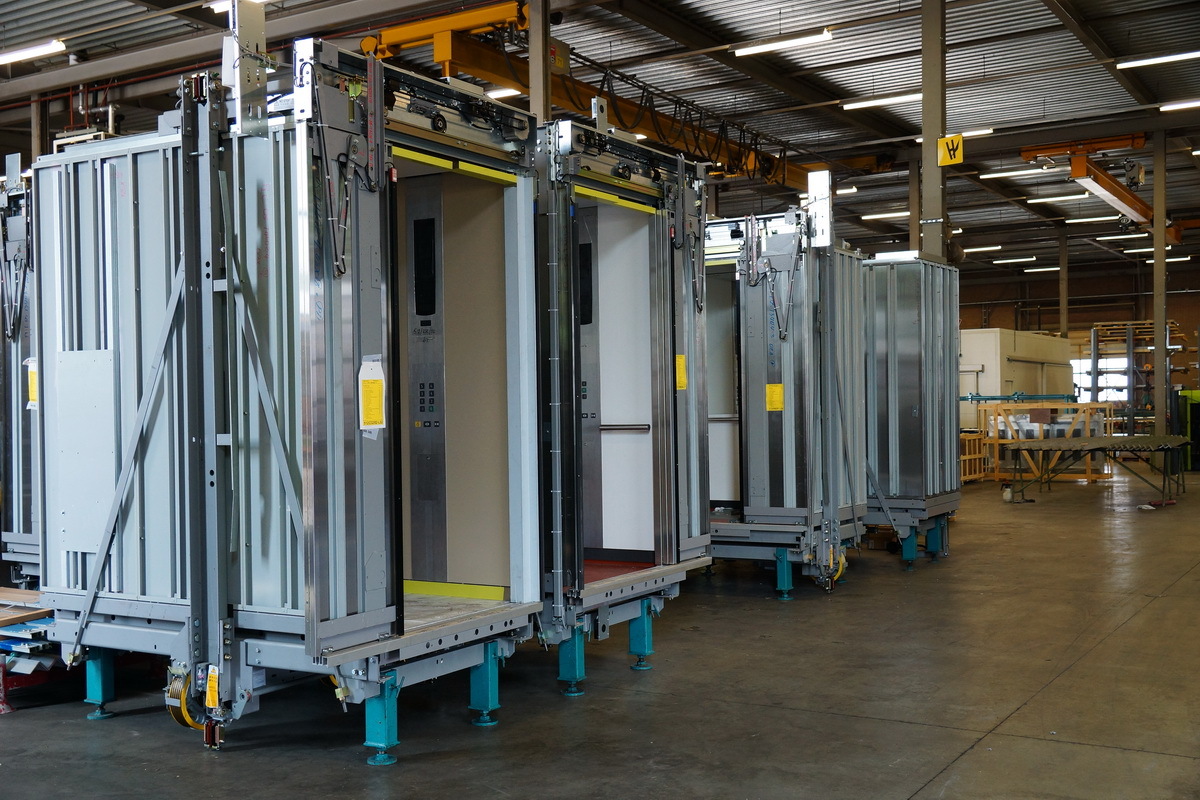
Elevator cars in production at the Mitsubishi Elevator Europe factory


Easy to start, and it stays that way

Working without deep lift knowledge was already possible. The system is a bit clearer now, and a single walkthrough plus a written work instruction is still enough to get started.


One owner, no mismatched options

One accountable owner manages what gets added and how, keeping every option aligned with what the engineering behind the CTO line can actually support.


Built to grow beyond quoting

The team wants to explore maintenance contracts alongside new elevator quotes, and the same approach for modernization projects.


Growing the Model, and What They've Learned Along the Way 

Mitsubishi Elevator Europe is already looking at how the model can grow. Offering maintenance contracts alongside new elevator quotes is something the team wants to look into, giving customers a complete package from the first conversation. The team is also exploring whether the same configurator approach could support other departments, particularly modernization projects, to bring more consistency across documents regardless of which team produced them. Merging the CTO and ETO lines into a single model came up as an idea too, but has been shelved for now given the added complexity. 

01

Maintenance contracts, from the first quote

The team wants to look into offering maintenance contracts alongside new elevator quotes, giving customers a complete package from the first conversation.

02

Modernization, in packages

For modernization, Daan sees potential in standardising parts of the work and offering them as packages.

03

One look across every document

A customer who buys a new elevator and later a service contract should receive documents that look the same, whichever department they come from.

Looking back, Daan's advice for other manufacturers considering a CPQ platform is to take the time upfront to map the desired process end to end before building. Skipping that groundwork, whether around system integrations or specific product choices, means overlooking details that are much harder to fix later. The same applies to the platform itself: understanding what it can do before building keeps a model clean, rather than reworking it later once a better approach turns out to exist.

See what five-minute model fixes
looks like for your business.

Mitsubishi Elevator Europe did it. Book a demo and we'll show you how.

Book Demo