Knowledge Center  > Guides 

GUIDELINE

What is Quote-to-Cash?

Basics of the Q2C Process

By Elfsquad Experts - October 15, 2024

Introduction to Quote-to-Cash

For manufacturers who sell customer-specific solutions, the path from a first quote to a received payment involves a lot of moving parts. Quote-to-Cash, or Q2C, is the term for that entire process. From the moment a customer asks for a quote to the moment payment lands in your account, every step in between is part of the Q2C cycle.

Getting this process right matters. Errors in configuration, pricing, or invoicing are not just administrative problems. They slow down deals, damage customer relationships, and put pressure on margins. This guide covers what Q2C involves, where it typically breaks down, and how to structure it so your teams stay in control from start to finish.

What Is the Quote-to-Cash Process?

Q2C covers the full sales lifecycle. Here is what each stage involves:
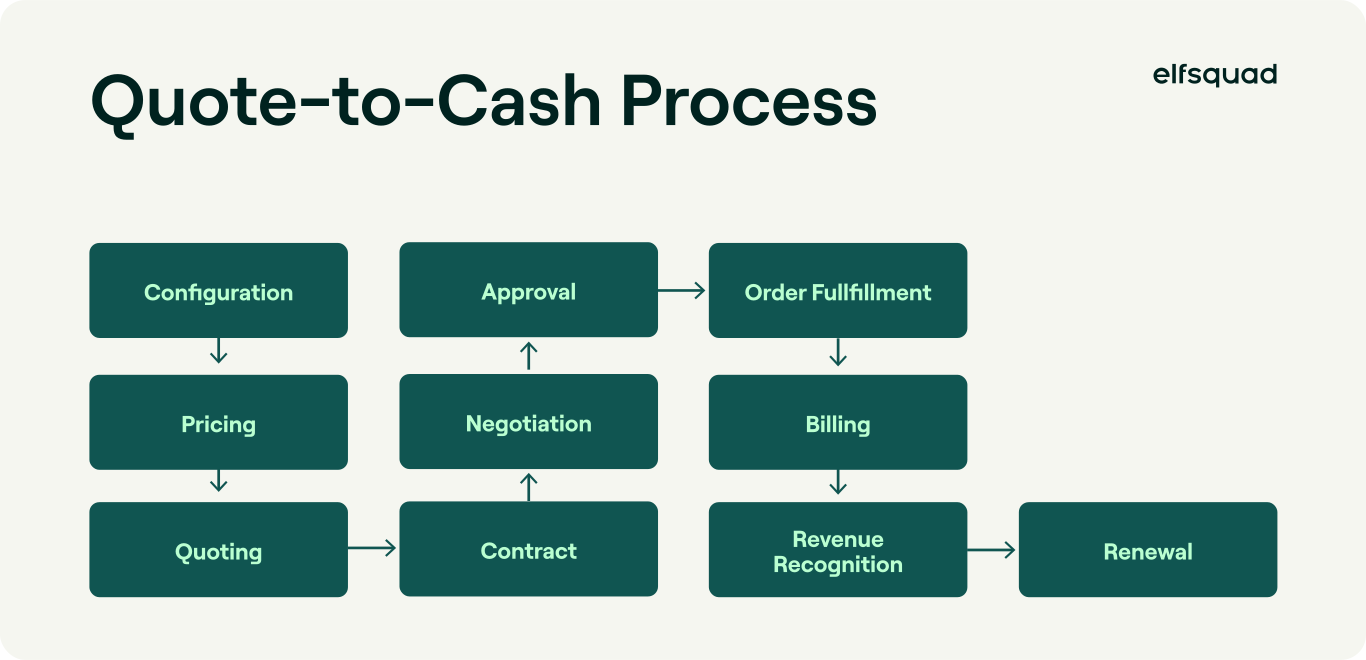
Quote-to-cash-qtc-elfsquad-cpq-software

Configuration

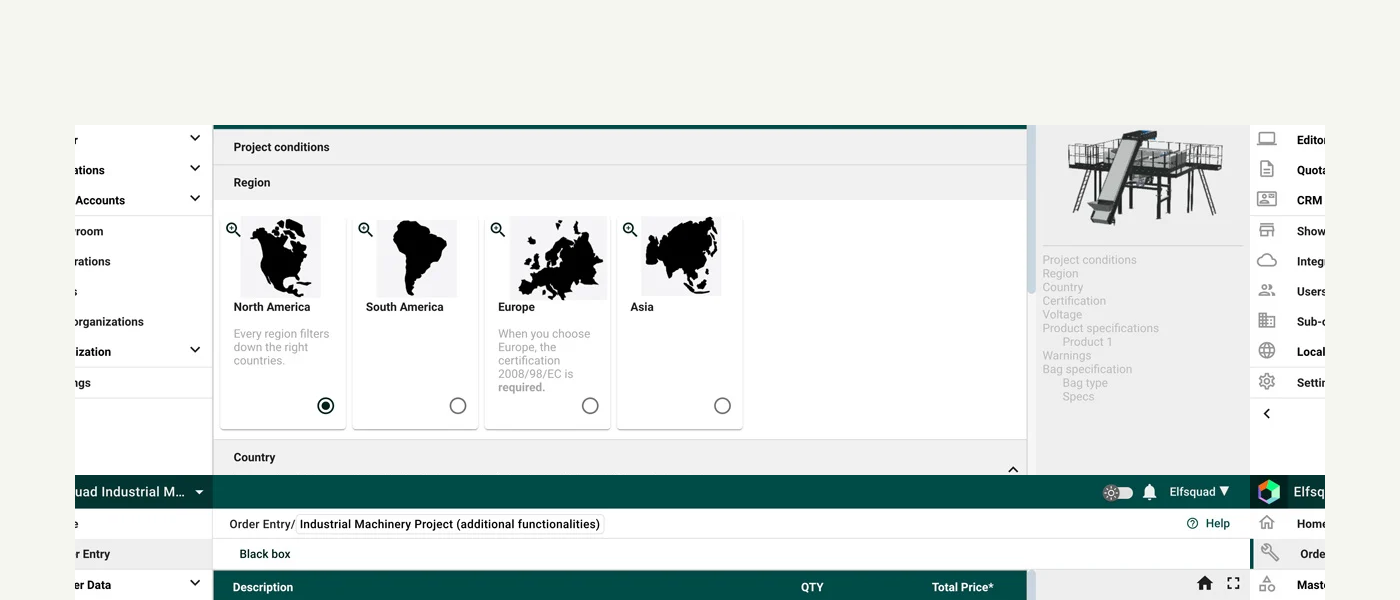
The process starts when a customer specifies what they need. Your team configures a solution that meets those requirements. With CPQ software, this step is automated and rule-based, so every configuration is valid and manufacturable from the start.

Pricing

Once the configuration is set, pricing is calculated based on predefined rules, including customer-specific terms, volume discounts, and regional variations. The right system handles this automatically, so your team never has to calculate pricing manually or guess at margins.

Quoting

A formal quote is generated and sent to the customer. It includes the full configuration, pricing, and terms in one clear document. This is the first formal commitment from your business to the customer, so accuracy here is critical.

Contract

When the customer accepts the quote, a contract is created to formalize the agreement. A well-integrated system generates this directly from the accepted quote, including all negotiated terms, so nothing gets lost in translation.

Negotiation

Customers often want to discuss terms, pricing, or delivery schedules. Managing this properly means tracking every change and making sure the final agreement still works for your business. Your system should support this without creating version confusion or compliance risk.

Approval

Some deals require internal sign-off, especially when there are exceptions to standard pricing or unusual terms. Automated approval routing ensures these deals move forward quickly without bypassing the controls that protect your margins.

Order fulfillment

Once the contract is signed, the order moves to production. A connected Q2C process ensures that sales, engineering, and production all work from the same information, so what was quoted is what gets built.

Billing

After delivery, an accurate invoice goes out. Automated invoicing ensures the invoice matches the contract exactly, reducing disputes and speeding up payment.

Revenue recognition

Payment received needs to be recorded correctly in your financial statements. Depending on the terms of the deal, revenue may be recognized all at once or over time. A structured Q2C process makes this straightforward and audit-ready.

Renewal

For businesses with repeat customers or subscription models, renewal is part of the cycle. Automated reminders and renewal quotes keep the relationship active without manual follow-up.
Quote-to-Cash vs Lead-to-Cash

Learn how the Q2C process helps streamline sales and production by reducing errors and shortening turnaround times, ultimately boosting profitability. 

Learn more →

Benefits of a Structured Quote-to-Cash Process

Faster Sales Cycles
When configuration, pricing, and quoting are automated, deals move faster. Your sales team spends less time on administrative tasks and more time on conversations that matter.

Fewer Errors
Manual processes introduce mistakes. In quotes, in orders, in invoices. A connected Q2C process removes the manual handoffs where errors are most likely to occur.

Better Customer Experience
Customers receive accurate quotes quickly, get clear communication throughout the process, and receive invoices that match what was agreed. That consistency builds trust and increases the likelihood of repeat business.

Cleaner Revenue Management
Accurate invoicing and proper revenue recognition give your finance team a reliable picture of what has been earned and what is still outstanding. That clarity supports better decisions and cleaner reporting.

Common Challenges in the Quote-to-Cash Process

Manual Processes Leading to Errors
When quoting and invoicing rely on manual input, mistakes happen. Wrong prices, incorrect configurations, invoices that don't match the contract. These errors cost time to fix and can damage customer relationships. Automation removes this risk at every step where it matters most.

Systems That Don't Talk to Each Other
Sales, finance, and operations often work in separate tools. When data doesn't flow between them automatically, teams end up re-entering information, working from outdated records, or catching discrepancies too late. A connected Q2C process solves this by making one set of data available to everyone.

Contract Management Without Structure
Contracts with complex terms are hard to track manually. Missing a renewal, misapplying a discount, or losing track of a special condition creates risk. Structured contract management keeps every agreement visible and manageable.

Slow Invoicing and Collections
Delays between delivery and invoicing slow down cash flow. Errors in invoices create disputes that delay payment further. Automated invoicing tied directly to the agreed contract terms removes both problems.

Best Practices for a Better Quote-to-Cash Process

Automate Where It Matters
Start with the steps that cause the most delays or errors: quoting, order processing, and invoicing. Automation here has the most immediate impact on speed and accuracy.

Use CPQ Software
CPQ is the foundation of a reliable Q2C process for manufacturers. It handles product configuration, pricing rules, and quote generation in one connected system, so what goes to the customer is always accurate and what reaches production is always valid.

Connect Your CRM and ERP
Your customer data, product data, and financial data need to work together. Integration between CRM and ERP eliminates duplicate entry, keeps information consistent, and gives every team a complete picture.

Track the Right Metrics
Quote turnaround time, error rates, invoice accuracy, and days to payment are the numbers that tell you where your Q2C process is working and where it is not. Use them to make improvements based on what is actually happening, not assumptions.

Keep Your Pricing Logic Up to Date
Pricing rules change. New products, new markets, new discount structures. The team responsible for your configuration and pricing logic needs to be able to update it without involving developers or outside consultants.

Manage Contracts Actively
Contracts should be tracked, not filed. Know when renewals are coming, what special terms apply to which customers, and whether your invoicing reflects those terms accurately.

Make Order Fulfillment Part of the Same System
When the handoff from sales to production is manual, things get lost. A connected Q2C process means production always receives accurate, complete information based on what was actually quoted and agreed.

Conclusion

A structured Quote-to-Cash process is not about adding complexity. It is about removing the manual steps, disconnected systems, and informal knowledge that slow you down and introduce errors. For manufacturers who sell customer-specific solutions, getting Q2C right means faster deals, cleaner production handoffs, and customers who receive exactly what they were promised.

Elfsquad CPQ is built to support this process from configuration, to order output, with one shared logic that your team manages without consultants or custom development.

Book a Live Demo

Frequently Asked Questions About Q2C

What is quote-to-cash?
Q2C is a business process that covers everything from creating a quote for a customer to collecting payment after the sale. It includes quoting, order management, administration, and invoicing. The goal of QTC is to make sure the entire sales process is smooth, accurate, and efficient.
What is the quote-to-cash process?
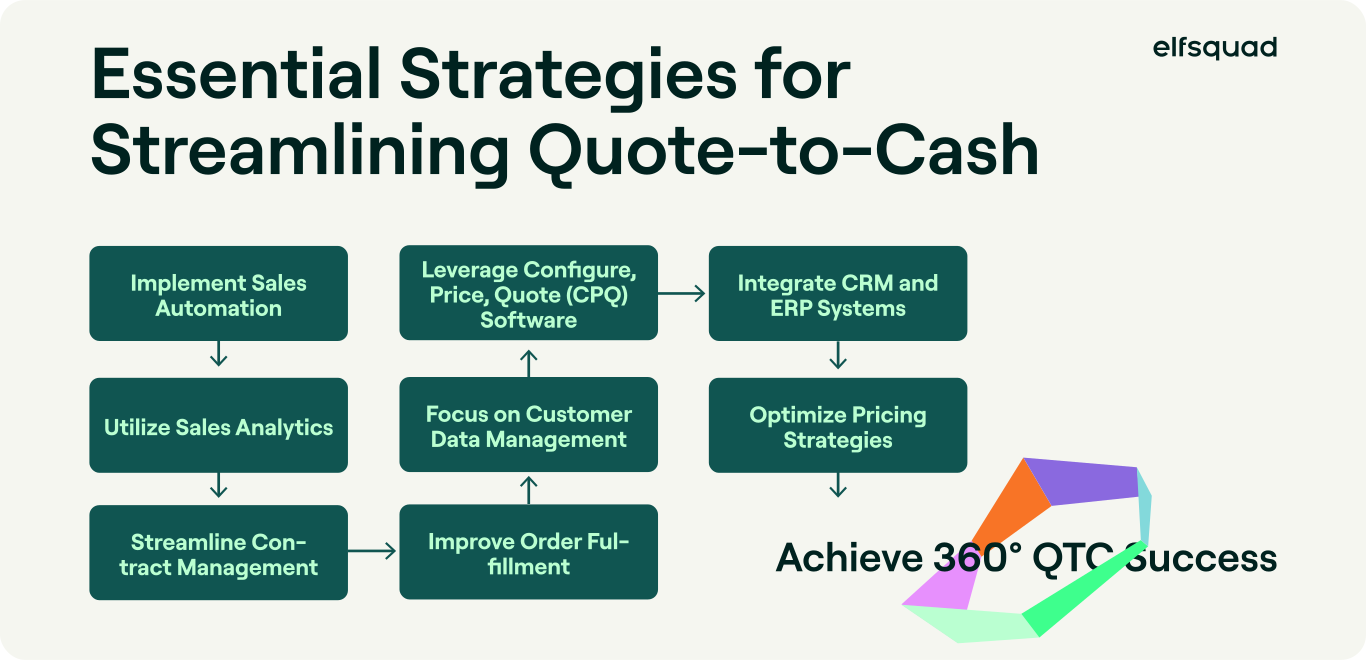
The quote-to-cash process is a series of steps that a company follows to turn a sales opportunity into cash. It starts when a sales team provides a quote to a customer and ends when the payment is received. The main steps include:


  • Generating a Quote: Creating a detailed offer with prices and terms.
  • Order Management: Processing the customer's order.
  • Administration: Handling agreements and terms.
  • Billing and Invoicing: Sending and collecting payments.
  • Revenue Management: Tracking and managing income.
How does quote-to-cash improve sales efficiency?
Q2C improves sales efficiency by automating and streamlining various steps in the sales process. It helps in:
    • Reducing Manual Work: Automation speeds up quoting, order processing, and invoicing, which saves time and reduces errors.
    • Increasing Accuracy: Automated systems ensure quotes and invoices are accurate, avoiding mistakes that can lead to disputes.
    • Speeding Up Sales Cycles: Faster processing of quotes and orders leads to quicker deal closure and improved sales performance.
What are the main stages of the quote-to-cash process?
The main stages of the Q2C process are:
  • Quote Generation: Providing a detailed price quote to the customer.
  • Order Management: Processing and managing the customer's order.
  • Administration: Creating and managing contracts and agreements.
  • Billing and Invoicing: Issuing invoices and handling payments.
  • Revenue Management: Monitoring and managing revenue and financial transactions.
How can CPQ software enhance the quote-to-cash cycle?
Enhance the quote to cash cycle by:
  • Automating Quote Creation: Quickly generates accurate quotes based on customer requirements.
  • Streamlining Product Configuration: Simplifies the configuration of complex products and services.
  • Improving Pricing Accuracy: Ensures correct pricing based on company rules and customer agreements.
  • Reducing Errors: Minimizes mistakes in quotes and orders, leading to fewer disputes.
What challenges are commonly faced in the quote-to-cash process?

Common challenges in the quote-to-cash process include:

  • Manual Errors: Mistakes in quotes, orders, or invoices due to manual processes.
  • Lack of Integration: Difficulty in coordinating between sales, finance, and operations teams.
  • Administration: Problems in tracking and managing contracts and renewals.
  • Billing Issues: Inefficiencies in invoices and collection processes.
What is the Difference Between Quote-to-Cash and Order-to-Cash Processes?
The Q2C process includes all steps from creating a quote to receiving payment. The process starts from when an order is placed and ends with payment collection. Essentially, Q2C covers the entire sales cycle, while O2C focuses specifically on the order fulfillment and payment stages.
How can businesses overcome quote-to-cash implementation issues?
Businesses can overcome quote-to-cash implementation issues by:
  • Investing in Training: Ensuring staff are well-trained in using QTC tools and processes.
  • Choosing the Right Technology: Selecting software that fits the company's needs and integrates well with existing systems.
  • Streamlining Processes: Simplifying and automating steps to reduce errors and improve efficiency.
  • Continuous Improvement: Regularly reviewing and refining the QTC process to address any emerging issues.
What role does ERP play in the quote-to-cash process?
ERP (Enterprise Resource Planning) systems play a crucial role in the quote-to-cash process by:
  • Integrating Data: Providing a unified platform for managing data across sales, finance, and operations.
  • Automating Processes: Streamlining order processing, invoicing, and financial management.
  • Enhancing Visibility: Offering real-time insights into sales performance, inventory, and financials.
How does CRM integration benefit the quote-to-cash cycle?
CRM (Customer Relationship Management) integration benefits the quote-to-cash cycle by:
  • Improving Customer Insights: Providing detailed customer data to personalize quotes and manage relationships.
  • Enhancing Communication: Facilitating better coordination between sales and finance teams.
  • Streamlining Sales Processes: Automating quote generation and tracking customer interactions.
What are the key benefits of optimizing the quote-to-cash process?
The key benefits of optimizing the quote-to-cash process include:
  • Increased Efficiency: Faster and more accurate processing of quotes, orders, and invoices.
  • Improved Accuracy: Reduced errors in pricing, orders, and invoices.
  • Better Customer Experience: Quicker responses and fewer issues for customers.
  • Enhanced Revenue Management: More effective tracking and management of revenue.
Back to top