


Share this
by Elfsquad on Jan 26, 2024 12:36:00 PM
What Is Industry 4.0 and the Smart Factory?
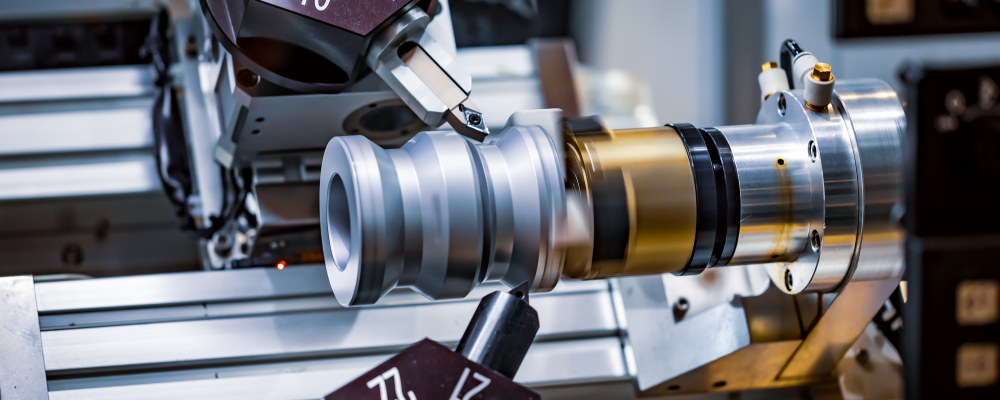
Industry 4.0 is the shift toward a smart factory, where digitalization connects every part of the supply chain. Customers demand customization, speed, transparency, and quality. Meeting those demands requires a different way of working, one where your systems communicate with each other through integrations and your processes are built for flexibility.
The key elements of Industry 4.0 include:
- Smart manufacturing: Using IoT, AI, and robotics for enhanced production efficiency
- Digital factory: Integrating digital technology to automate and optimize manufacturing processes
- Industrial automation: Employing automated systems for increased operational productivity
- Data analytics: Leveraging data for strategic decision-making
- Cyber-physical systems: Bridging physical operations with digital capabilities
- Supply chain innovation: Reinventing supply chain management with digital solutions and system connectivity
For manufacturers, Industry 4.0 brought measurable improvements in productivity, automation, and flexibility. It also made it possible to offer products digitally, giving customers better ways to orient themselves and configure what they need.
What Is Industry 5.0 and Why Does It Matter?
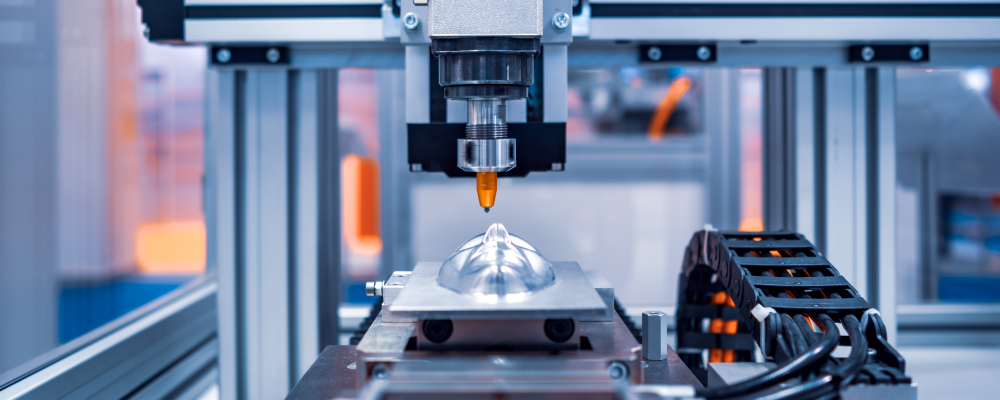
Industry 5.0 builds on the automation of Industry 4.0 but adds a critical dimension: the human element. Digitalization and automation have reduced the need for manual labor, which was initially seen as purely positive. But sustainable success requires more than efficiency. It requires human judgment, creativity, and the kind of problem-solving that machines cannot replicate.
Industry 5.0 is about harmonious collaboration between people and smart systems. Machines and robots handle the repetitive, routine work. People focus on what they do best: innovation, design, complex decision-making, and customer relationships.
The key benefits of Industry 5.0:
- Human-machine collaboration: Combining the strengths of both for optimal production outcomes
- Enhanced value creation: Emphasizing human ingenuity in areas where machines fall short
- Sustainable development: Balancing technological advancement with ethical and responsible practices
- Continuous innovation: Keeping ahead of the competition through constant R&D and product evolution
What Does This Mean for Manufacturers Today
The shift from Industry 4.0 to Industry 5.0 is not about replacing one with the other. It is about building on what automation has made possible and making sure the right people are focused on the right work. When routine tasks are automated, engineers can focus on R&D. When product configuration is handled by a structured system, your sales team can focus on customers instead of spreadsheets. When CPQ software captures your product knowledge, that knowledge is available to everyone who needs it, not locked in the heads of a few specialists.
Industry 5.0 is not a distant concept. For manufacturers who have already taken steps toward digitalization, it is the natural next question: now that the routine work is automated, what are your people doing with the time that frees up?
Build the Foundation for Industry 5.0
The manufacturers who thrive in Industry 5.0 are the ones who have already built systems that handle complexity without depending on manual processes or specialist knowledge. See what Elfsquad can do for your business. Request a personalized demo or explore how our customers have made the shift.
 or
or 